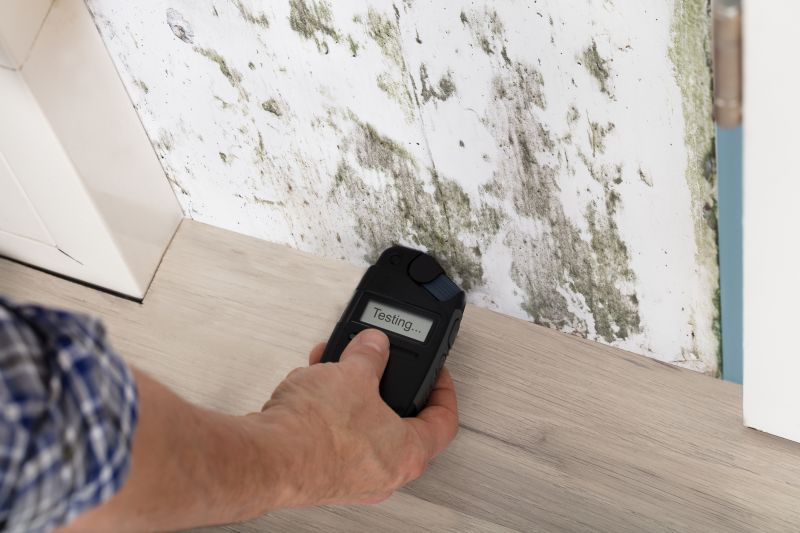
Mold Detection in Bergen County, NJ
Mold detection services involve thorough inspections to identify the presence of mold growth within residential properties. This process typically includes visual assessments, moisture level measurements, and the use of specialized equipment to locate hidden mold sources behind walls, under flooring, or in other concealed areas. Homeowners often request mold detection when experiencing signs such as persistent musty odors, visible mold growth, or health symptoms like allergies and respiratory issues that may be linked to indoor air quality concerns.
Property owners usually seek mold detection before undertaking renovation projects, after water damage incidents, or when suspecting hidden mold due to ongoing moisture problems. Understanding the scope of the inspection, including which areas will be examined and what methods will be used, can help homeowners make informed decisions. Clarifying concerns about potential health impacts or the extent of mold growth can also guide the detection process and subsequent steps for remediation or further testing.
Many property owners in Bergen County, NJ look into Mold Detection for repairs, replacements, upgrades, and appearance-related improvements.
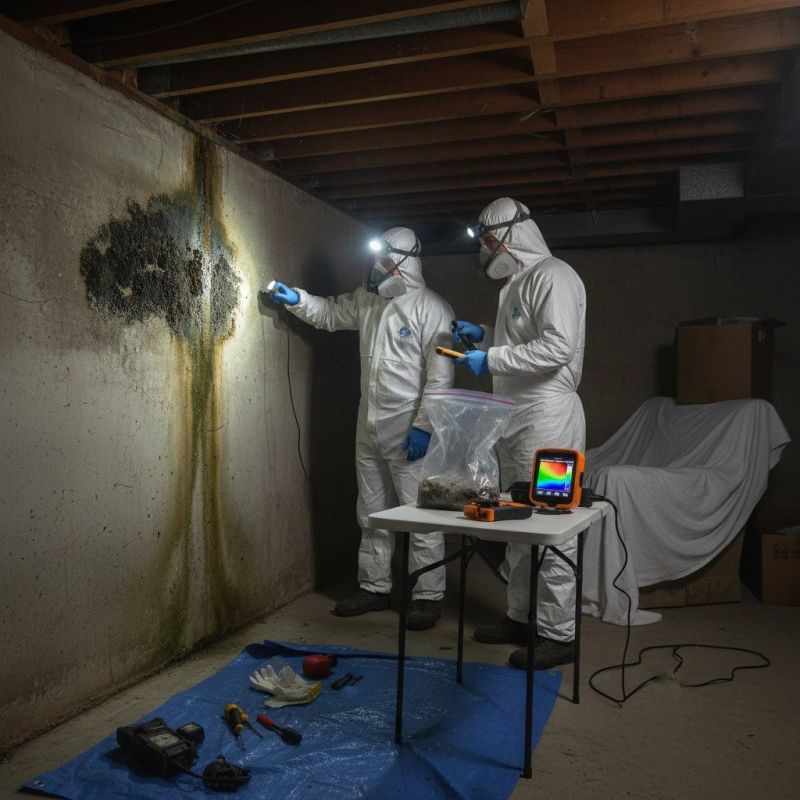
Identifying Hidden Mold
Detects mold growth in hard-to-see areas like basements and attics.
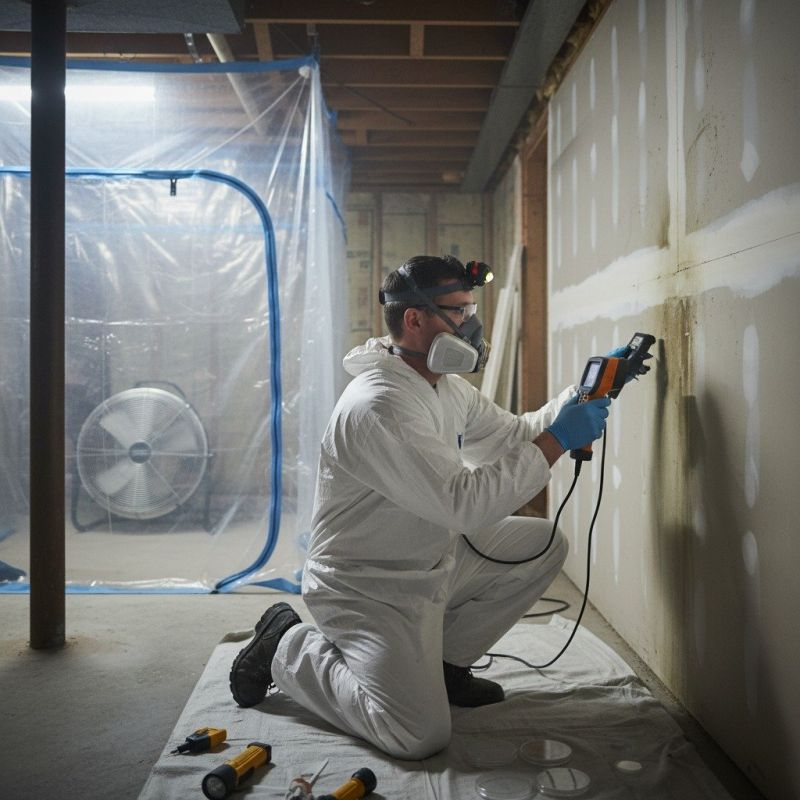
Assessing Indoor Air Quality
Evaluates mold spores that may affect the air you breathe indoors.
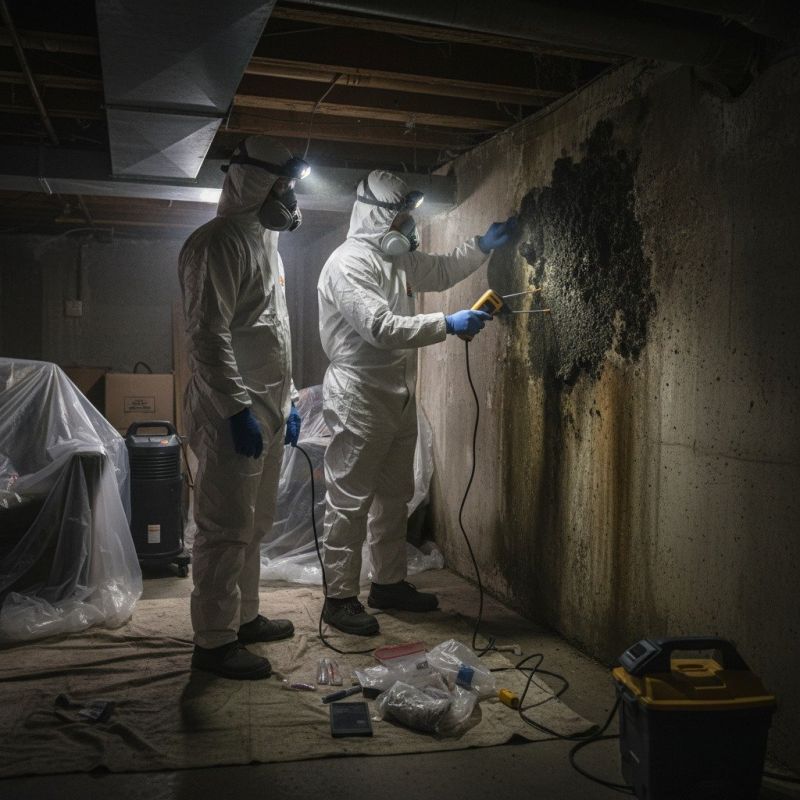
Preventing Structural Damage
Helps identify mold issues early to protect your property from long-term harm.
Mold Detection in Bergen County, NJ
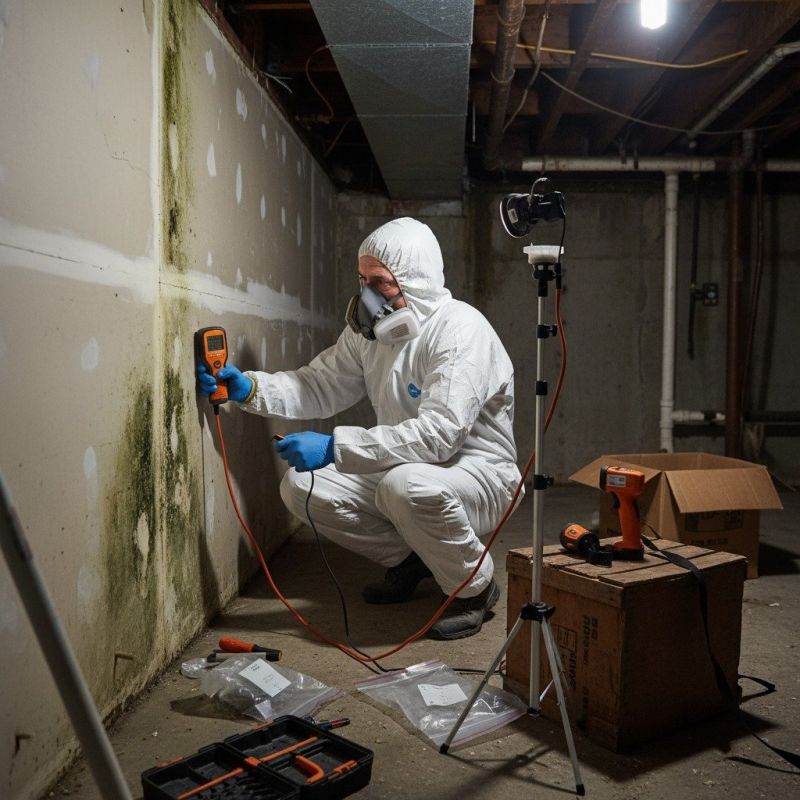
Mold detection services involve thorough inspections to identify the presence of mold growth within residential properties. This process typically includes visual assessments, moisture level measurements, and the use of specialized equipment to locate hidden mold sources behind walls, under flooring, or in other concealed areas. Homeowners often request mold detection when experiencing signs such as persistent musty odors, visible mold growth, or health symptoms like allergies and respiratory issues that may be linked to indoor air quality concerns.
Property owners usually seek mold detection before undertaking renovation projects, after water damage incidents, or when suspecting hidden mold due to ongoing moisture problems. Understanding the scope of the inspection, including which areas will be examined and what methods will be used, can help homeowners make informed decisions. Clarifying concerns about potential health impacts or the extent of mold growth can also guide the detection process and subsequent steps for remediation or further testing.
Many property owners in Bergen County, NJ look into Mold Detection for repairs, replacements, upgrades, and appearance-related improvements.
Common Mold Detection Jobs
Mold Inspection - identifies areas of mold growth and sources of moisture in residential properties.
Moisture Assessment - detects hidden water intrusion that can lead to mold development.
Air Quality Testing - measures airborne mold spores to assess indoor environmental quality.
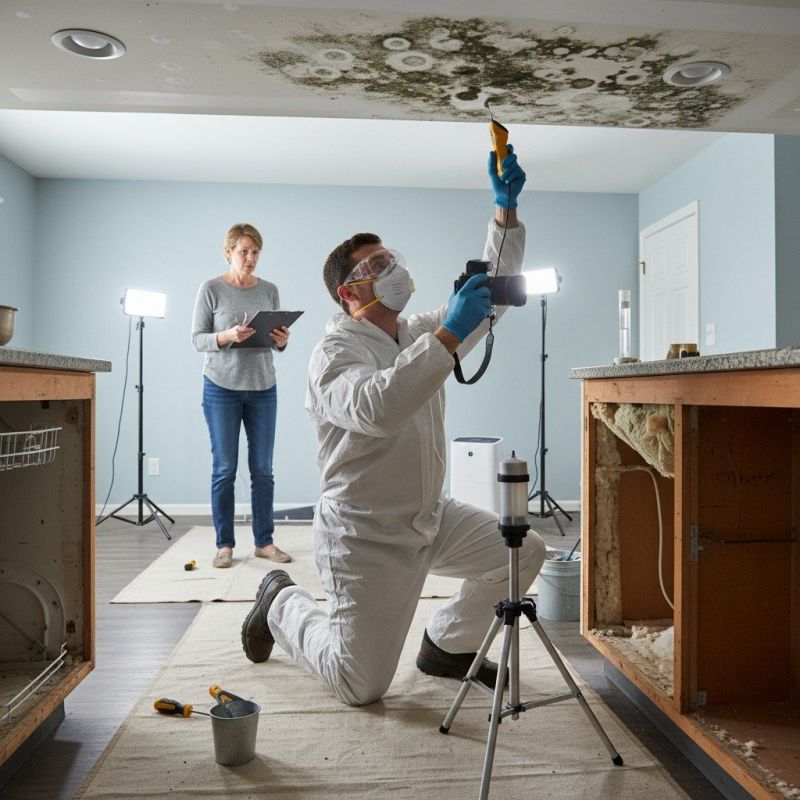
Visual Mold Detection - examines visible mold growth on walls, ceilings, and other surfaces.
Post-Remediation Testing - verifies that mold removal efforts have been successful.
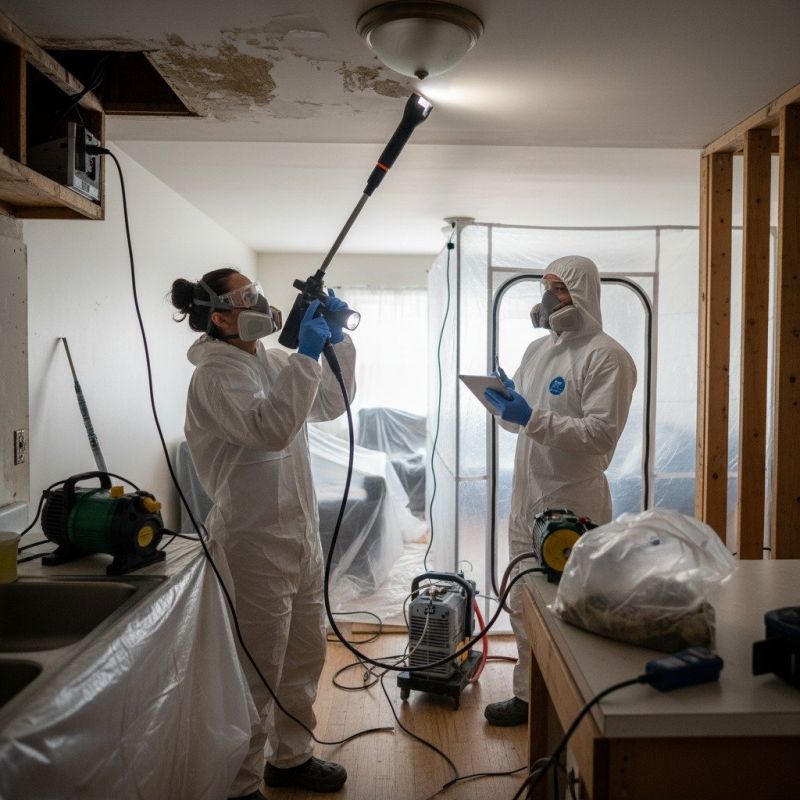
Hidden Mold Search - locates mold in hard-to-see areas behind walls and under flooring.
Mold Detection Questions
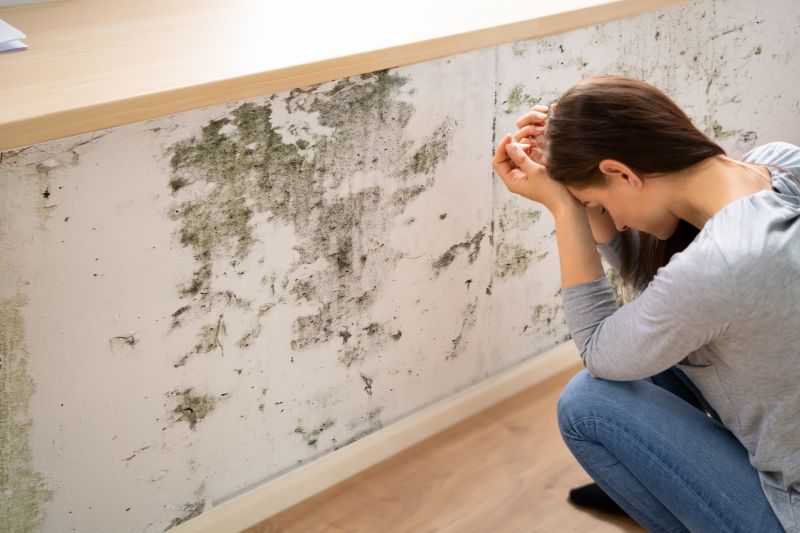
What is mold detection? Mold detection involves identifying the presence of mold in a property, often through visual inspection and specialized testing methods.
When should homeowners consider mold detection? Mold detection is recommended when there are signs of moisture issues, visible mold, or unexplained odors in the property.
What areas are typically checked during mold detection? Common areas include basements, bathrooms, kitchens, attics, and around any water sources or leaks.
How can mold detection help property owners? It helps identify hidden mold problems early, preventing potential health issues and property damage.
Request Mold Detection in Bergen County, NJ
Use the quote form on this page to share the basics of your project and request more information for the type of work you need.